
Electrocoagulation Technology
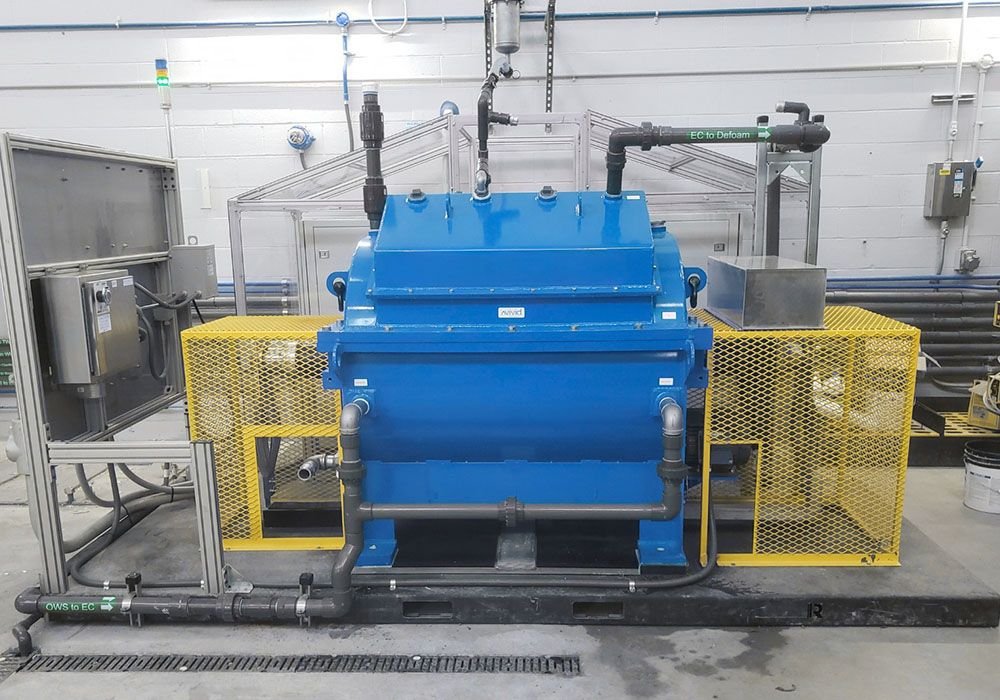
Electrocoagulation (EC) Technology for Industrial Wastewater Treatment in Surat, Gujarat
As industries face growing pressure to treat wastewater more efficiently while cutting chemical costs, Electrocoagulation (EC) has emerged as one of the most effective and sustainable treatment technologies available today. Renora Hydrotech offers advanced Electrocoagulation systems to industries across Surat and Gujarat that combine electrical and chemical processes to deliver superior contaminant removal — with lower sludge generation and reduced chemical dependency compared to conventional treatment methods.
What is Electrocoagulation?
Electrocoagulation is a water treatment process that uses an electric current passed through metal electrodes (typically iron or aluminum) submerged in wastewater. This electrical charge causes the electrodes to release metal ions, which destabilize suspended particles, oils, and colloidal matter in the water — causing them to clump together (coagulate) and rise or settle for easy removal. Unlike traditional chemical coagulation, EC generates coagulants in-situ, reducing the need for externally dosed chemicals like alum or ferric chloride.
How Electrocoagulation Works
Electrode Reaction
An electric current is applied across metal plates (electrodes) placed in the wastewater stream.
Ion Release
The electrodes dissolve slightly, releasing metal ions into the water.
Destabilization
These ions neutralize the charge on suspended particles, oils, and organic matter, allowing them to bond together.
Flocculation
The destabilized particles form larger flocs.
Separation
Flocs are removed via flotation (often assisted by hydrogen gas bubbles generated during the process) or settling, followed by filtration if needed.
Why Industries Choose Electrocoagulation
- Reduced Chemical Usage — Since coagulants are generated electrically rather than dosed manually, EC significantly reduces or eliminates the need for chemical coagulants and flocculants.
- Lower Sludge Volume — EC typically produces less sludge than conventional chemical treatment, lowering disposal costs.
- Effective on Complex Effluents — EC performs well on wastewater containing oils, heavy metals, dyes, and suspended solids — making it especially suited for textile, metal processing, and food industry effluents.
- Compact Footprint — EC systems require less space than equivalent chemical treatment setups, useful for facilities with limited installation area.
- Simplified Operation — With fewer chemical dosing systems to manage, operational complexity and the risk of dosing errors are reduced.
Industries We Serve
Renora Hydrotech's Electrocoagulation systems are widely used across:
- Textile dyeing and processing units (color and dye removal)
- Metal finishing and electroplating industries (heavy metal removal)
- Food processing plants (oil, grease, and organic load reduction)
- Chemical and pharmaceutical manufacturing
- [Common Effluent Treatment Plants CETPs] as a pre-treatment stage
Contaminants Effectively Removed by EC
- Suspended solids and turbidity
- Oil and grease
- Heavy metals (chromium, copper, zinc, etc.)
- Color and dyes
- COD and BOD load reduction
- Certain bacteria and pathogens
Our Electrocoagulation System Design & Delivery Process
Effluent Analysis
We assess your wastewater's specific contaminant profile, flow rate, and treatment goals.
Custom System Design
Electrode configuration, current density, and retention time are engineered specifically for your effluent characteristics.
Fabrication
Systems are built with durable, corrosion-resistant materials suited for continuous industrial operation.
Installation & Commissioning
Our team handles complete on-site setup and integration with your existing treatment train (as a standalone unit or pre-treatment stage before ETP).
Ongoing Support
Electrode replacement, maintenance, and performance monitoring services to keep your system running efficiently.
Integration with Your Treatment Plant
Electrocoagulation works well both as a standalone treatment solution for smaller effluent streams and as a pre-treatment stage ahead of ETP, DAF, or RO systems — reducing the organic and metal load reaching downstream processes and improving overall plant efficiency.
Frequently Asked Questions
Is Electrocoagulation suitable for all types of industrial wastewater?
EC is particularly effective for effluents containing oils, heavy metals, dyes, and suspended solids. For effluents with very high dissolved organic content, it's often combined with biological or RO treatment for complete compliance.
How does EC compare to chemical coagulation in cost?
While EC has higher electrical energy costs, it significantly reduces chemical procurement and sludge disposal costs — often resulting in lower overall operating costs over time.
Does Electrocoagulation require frequent maintenance?
Electrodes gradually dissolve during operation and need periodic replacement, but overall maintenance is generally simpler than managing multiple chemical dosing systems.
Can EC be added to an existing ETP setup?
Yes. Renora Hydrotech regularly retrofits EC systems as a pre-treatment stage for facilities looking to reduce chemical costs and improve downstream treatment efficiency.
Need to reduce chemical dosing costs at your facility in Surat or Gujarat? Talk to Renora Hydrotech's team about whether Electrocoagulation is right for your effluent profile.