
Multi Effect Evaporator (MEE)
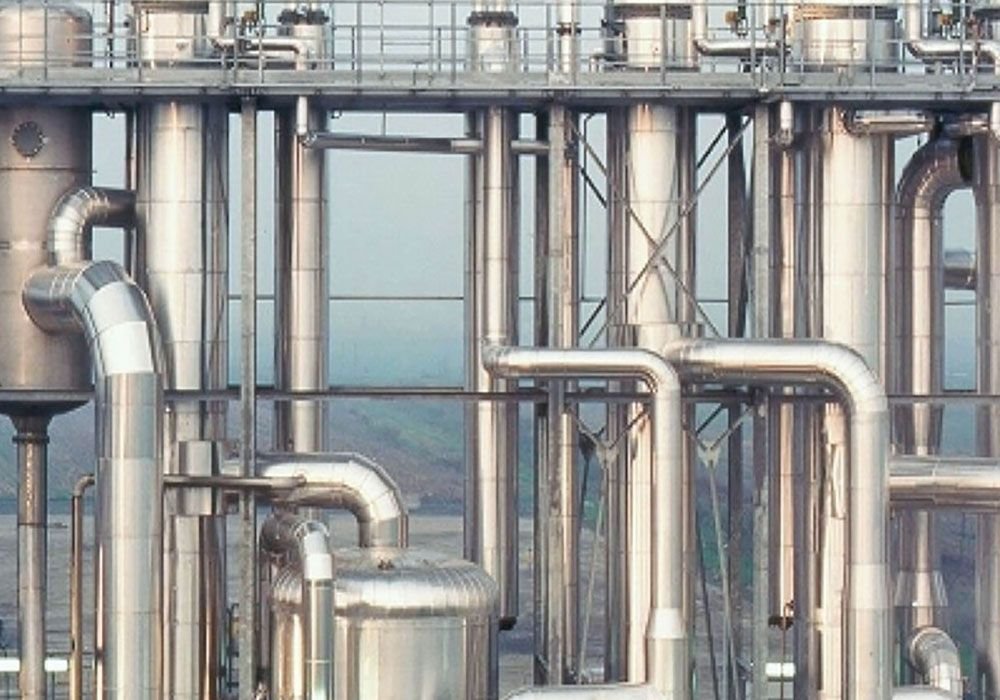
Multi Effect Evaporator (MEE) Systems for Industrial Wastewater Treatment in Surat, Gujarat
Industries generating high-TDS (Total Dissolved Solids) wastewater — such as textile, chemical, pharmaceutical, and dyeing units — face increasing pressure to minimize liquid discharge and recover usable water from their effluent streams. Renora Hydrotech's Multi Effect Evaporator (MEE) systems are engineered to meet exactly this need, offering an energy-efficient, reliable solution for concentrating industrial effluents and supporting Zero Liquid Discharge (ZLD) goals across Surat and Gujarat.
What is a Multi Effect Evaporator?
A Multi Effect Evaporator is a thermal evaporation system that uses a series of connected evaporator "effects" to progressively concentrate wastewater by removing water content through controlled boiling under reduced pressure. Because each effect reuses the vapor generated by the previous one as its heating source, MEE systems achieve significantly higher energy efficiency compared to single-effect evaporation — reducing steam and power consumption while maximizing water recovery.
At Renora Hydrotech, we design MEE systems to handle high-salinity, high-TDS effluent streams typically generated after primary and secondary treatment (such as RO reject or ETP, concentrating them into a smaller volume of dense residue while recovering clean condensate that can often be reused within the facility.
Why Industries Choose MEE Systems
- Zero Liquid Discharge (ZLD) Compliance — With GPCB and CPCB regulations increasingly mandating ZLD for high-pollution-load industries, MEE systems are a core component of achieving near-total liquid waste elimination.
- Water Recovery & Reuse — The condensate produced can often be reused in processes like washing, cooling, or boiler feed, reducing freshwater intake and operating costs over time.
- Reduced Effluent Volume — By concentrating effluent into a smaller residual volume, disposal costs (for evaporation ponds, incineration, or solid waste handling) drop substantially.
- Energy Efficiency — Multi-effect design means significantly lower steam consumption per unit of water evaporated compared to conventional single-stage evaporators.
- Customizable Capacity — Whether you're a mid-sized processing unit or a large industrial facility, MEE systems can be designed and scaled to match your specific flow rate and TDS load.
Industries We Serve
Renora Hydrotech supplies and installs MEE systems for:
- Textile dyeing and processing units
- Chemical manufacturing plants
- Pharmaceutical facilities
- Common Effluent Treatment Plants (CETPs)
- Food processing industries with high-organic-load effluent
Our MEE System Design & Delivery Process
Effluent Characterization
We begin by analyzing your wastewater's TDS, COD, and flow characteristics to determine the right evaporator configuration.
Custom Engineering
Based on your site's space, utility availability (steam/power), and discharge targets, we design a multi-effect configuration — typically 2 to 6 effects depending on required efficiency.
Fabrication & Quality Control
Our units are built using corrosion-resistant materials suited for high-salinity environments, ensuring long operational life even under continuous high-TDS load.
Installation & Commissioning
Our engineering team manages complete on-site installation, integration with your existing ETP/RO systems, and commissioning.
After-Sales Support
We provide ongoing maintenance, spare parts, and operational support to keep your MEE system running at peak efficiency.
Integration with Your Existing Treatment Setup
MEE systems work best as part of a complete treatment train. Renora Hydrotech typically positions MEE downstream of RO systems, treating the RO reject stream to recover additional water and minimize the final waste volume needing disposal. This integrated approach — from ETP to RO to MEE — is central to how we help clients move toward full ZLD compliance.
Frequently Asked Questions
Is an MEE system mandatory for all industries?
Not for all — but GPCB and CPCB increasingly require ZLD (and therefore MEE or equivalent evaporation systems) for red-category and high-pollution-load industries like textile dyeing, chemical manufacturing, and pharmaceuticals.
How much water can be recovered using an MEE system?
Recovery rates typically range from 85–95%, depending on the effluent's TDS level and the number of effects in the system design.
What is the difference between an MEE and a simple evaporation pond?
Evaporation ponds rely on natural solar evaporation and require large land areas with no water recovery. MEE systems are compact, faster, and recover clean condensate for reuse — making them far more practical for space-constrained industrial sites.
Can an existing ETP/RO setup be upgraded with an MEE system?
Yes. Renora Hydrotech regularly integrates MEE units into existing treatment plants to help facilities meet updated ZLD requirements without a full plant overhaul.
Working toward Zero Liquid Discharge at your facility in Surat or Gujarat? Talk to Renora Hydrotech's team about whether an MEE system fits your treatment train.